
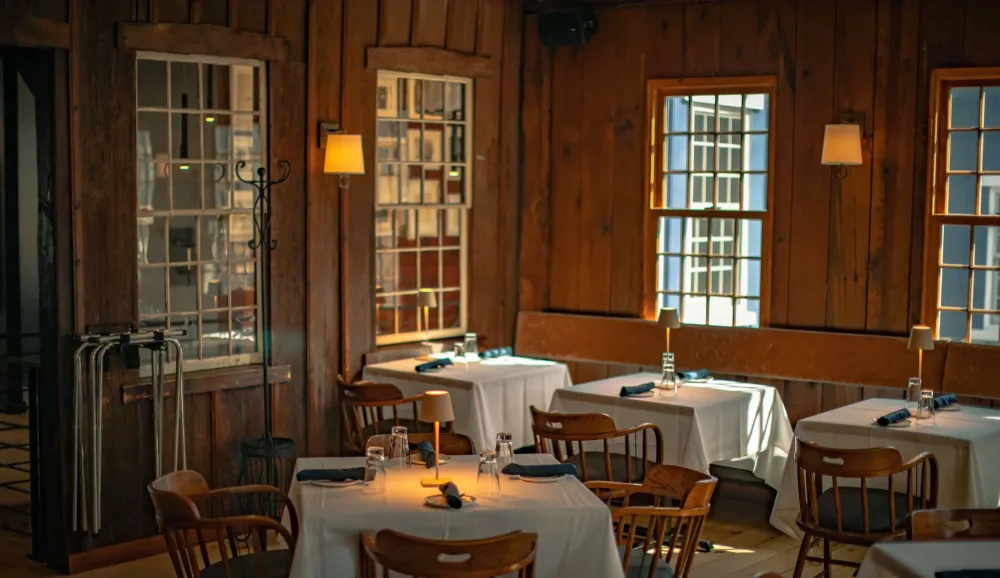
Private event marketing helps your restaurant reach people choosing a place for a birthday, company dinner, holiday party, shower, or other group gathering. To generate more bookings, make your event spaces easy to discover, give planners enough information to judge the fit, and respond with a clear offer while they are still comparing venues.
RestauRent puts your restaurant in a marketplace built for that search. You can promote a private dining room, a section of your bar, a patio, or a full restaurant buyout and connect directly with people interested in hosting an event.
Start your three-month free trial. The subscription is $99 per month per location afterward, with no booking commission. A $1 card verification applies at signup.
Start with the events you want to sell
Choose the spaces, times, and types of events that make sense for your operation. A 30-person dinner in an otherwise empty private room creates a different opportunity from a Saturday buyout that displaces your busiest service.
Build your marketing around specific offers. A restaurant with a separate dining room might promote client dinners and rehearsal dinners. A bar area could work for company happy hours. A patio might suit a graduation celebration, subject to weather and an indoor backup.
Give each offer a clear capacity, food and beverage approach, and minimum spend or starting price where practical. A planner should be able to recognize the right option without first arranging a sales call.
Show up where planners search for a venue
A diner may search for your restaurant by name. An event organizer may start with a need: private dining for 25, a birthday dinner with a separate room, or a company party near the office. Your marketing needs to reach both.
Your own website should have an accessible private-events page. Explain which spaces can be reserved, show event layouts, and place an inquiry button beside the relevant information. Keep your Google Business Profile and social channels consistent with that offer, including current event photos and a route to inquire.
A venue marketplace adds another discovery channel. RestauRent helps planners compare spaces by factors such as location, group size, venue type, and amenities. A detailed listing lets someone who has never eaten at your restaurant consider it for their next gathering.
For the setup process, see how to list your venue for private events.
Build a listing that answers the booking questions
Good event photography shows how people will use the space. Include a room set for dinner, a reception layout if you offer one, and an image showing the room's connection to the main restaurant. Label semi-private areas accurately so the planner understands the level of separation.
Provide the information that changes a booking decision:
- Seated and standing capacities for each reservable space.
- Whether the room is private, semi-private, outdoors, or part of a full buyout.
- Sample menus, beverage options, and how event pricing works.
- Available days and times, including opportunities outside regular service.
- Parking, accessibility, presentation equipment, and other relevant amenities.
- A clear way to submit the event date, guest count, occasion, and budget.
Specific details help you qualify inquiries. If a room seats 24, a planner organizing a 60-person dinner should be able to discover that before contacting your team.
Market both corporate events and social celebrations
Restaurant event demand includes business meals, team outings, birthdays, engagements, graduations, and family celebrations. Each occasion creates different questions. A company organizer may need a presentation screen and a straightforward approval process. A birthday host may care more about privacy, music, and whether the group can bring a cake.
RestauRent's October 2025 booking recap featured a combined birthday and retirement celebration at Briny Swine Smokehouse & Oyster Bar in Chicago. Its March 2026 recap included a family gender-reveal dinner booked at Sapori Trattoria. These examples show the variety of occasions a restaurant can address with the space and service it already provides.
Create separate descriptions for the occasions that genuinely fit your venue. You can adapt the same room to different needs without presenting every event as an identical package.
Keep control of your event pricing
Hospitality events can be priced through food and beverage minimums, per-person packages, rental fees, hourly arrangements, or a combination. RestauRent lets you discuss your own pricing and terms directly with the planner. You can sell the experience in a way that fits your restaurant.
For a buyout, consider expected regular-service revenue, additional labor, food and beverage costs, setup, and cleanup before quoting. For a room that would otherwise sit empty, the economics may be different. Use the contribution left after event costs to assess value; the event's gross bill is only the starting point.
RestauRent's subscription model also keeps the marketplace cost predictable. There is no booking commission that increases with the size of the event. See the RestauRent pricing page for the trial and monthly subscription details.
Give every inquiry a clear next step
Assign one person to own event inquiries and a backup for days off. Reply with the requested date's availability, the suitable space, the proposed food and beverage arrangement, and the next action needed to move forward.
If the requested date is unavailable, suggest a realistic alternative when you have one. If the budget is below your minimum, explain an option that could work, such as a different day, a smaller space, or a revised package. Avoid leaving the organizer with a generic brochure and no recommendation.
Track inquiries, proposals, confirmed bookings, and completed-event revenue separately. Record why an inquiry did not progress. A pattern of date conflicts calls for a different response from a pattern of unclear pricing or slow follow-up.
Questions restaurant owners ask
Do I need a dedicated private dining room?
No. A restaurant can offer a semi-private area, patio, bar section, or full buyout when its layout and operation support that use. Describe the level of privacy clearly.
Can I use RestauRent if I already have an event manager or CRM?
Yes. RestauRent can serve as a source of new inquiries alongside your existing sales process. Ask the team about the integration available for your current setup.
Will listing my restaurant guarantee bookings?
A listing creates an opportunity to be discovered. Booking results depend on local demand, your offer, available dates, pricing, and how your team handles inquiries.
Put your restaurant in the next venue search
Give planners a clear reason to choose your space for their next group event. RestauRent helps you present that offer and connect with people looking for a place to gather.
Start your three-month free trial or explore real venue booking stories.
Three months with no subscription fee, then $99 per month per location. A $1 card verification applies. No booking commissions; cancel before the trial ends to avoid the subscription charge.